In serious injury cases, timing is not a minor detail. It's strategy. Learn why the first days matter most.
In serious injury cases, timing is not a minor detail.
It's strategy.
What happens in the first days and weeks after an accident can significantly affect case value — sometimes dramatically.
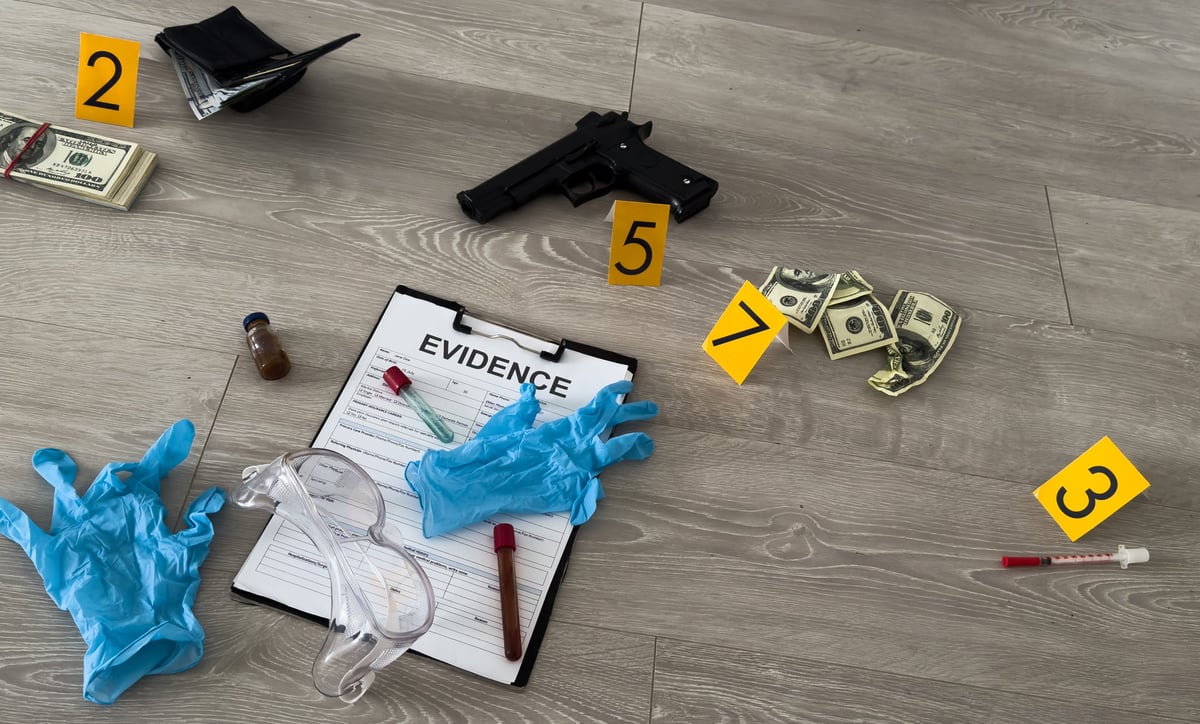
Early evidence collection is often the difference between a modest settlement and a fully valued claim.
Critical evidence is often temporary. Examples include:
Surveillance footage is routinely overwritten in days. Commercial vehicle data can be erased or replaced. Witnesses forget details quickly. Waiting weakens leverage.
The stronger the liability case, the higher the settlement value. Early evidence collection can:
When liability is clear and documented, insurance companies reduce their defenses and increase exposure calculations. Uncertainty reduces value. Certainty increases it.
In cases involving:
Corporate defendants often activate defense teams immediately. If evidence is not preserved early, key data may be lost. Formal preservation letters can prevent spoliation. Without them, proving fault becomes harder — and value decreases.
Early medical records shape the entire case. They establish:
If there are gaps in care or delayed reporting, insurers often argue:
Strong early documentation strengthens future damages.
When evidence is incomplete, insurers argue:
Even in legitimate cases, missing early documentation can significantly reduce negotiating leverage.
Insurance companies evaluate cases based on risk. When they see:
They adjust exposure estimates upward. Because trial risk increases. And risk drives numbers.
Not every accident requires aggressive evidence preservation.
But serious injury cases do. The early stage of a case is when the factual record is built. Once evidence is gone, it is rarely recoverable.
If you've been injured, the sooner you secure legal representation, the better positioned you are to preserve critical evidence and build a strong case.
Because in serious injury cases, every day matters.
Get a free consultation to discuss how we can help preserve evidence and maximize your personal injury claim.
Schedule Free Consultation