Sidewalk Falls in San Francisco — Is the City Responsible?
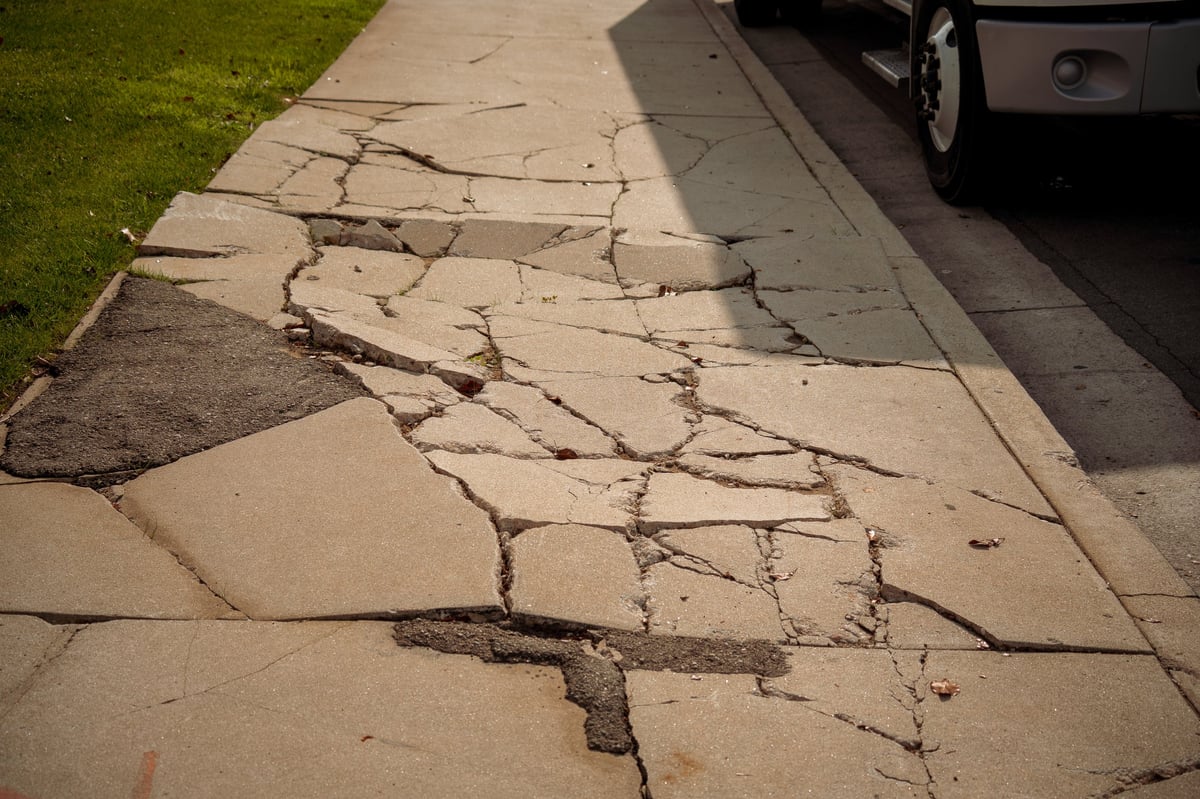
San Francisco's sidewalks are uneven, steep, and often decades old. If you trip and fall on a cracked or raised sidewalk, a natural question follows: Is the City responsible — or is someone else? The answer depends on who owned or controlled the property where the fall occurred.
Beahm Law
Personal Injury Attorneys
Who Is Responsible for Sidewalk Maintenance in San Francisco?
In many situations, adjacent property owners — not the City — are responsible for maintaining sidewalks in front of their property.
Under California law, municipalities can shift maintenance duties to property owners. San Francisco has ordinances requiring property owners to keep sidewalks reasonably safe.
This means liability may fall on:
- A homeowner
- A commercial property owner
- A landlord
- A business entity
But that's not always the end of the analysis.
The key question is always: Who owned or controlled the property where the fall occurred?
When the City May Be Liable
The City and County of San Francisco may be responsible if:
- 1 The sidewalk defect was caused by a City project
- 2 A public works issue created the hazard
- 3 The defect was part of broader infrastructure failure
- 4 The City had notice of the dangerous condition and failed to act
Claims against public entities are governed by strict procedural rules.
The 6-Month Government Claim Deadline
If the City may be responsible, you must typically file a government claim within six months of the injury.
This is much shorter than the standard two-year statute of limitations for personal injury cases.
Missing this deadline can bar the claim entirely.
Public entity cases require early investigation.
What Must Be Proven in a Sidewalk Fall Case?
To recover compensation, you must generally show:
1 A dangerous condition existed
2 The responsible party knew or should have known about it
3 The condition was not repaired or properly warned against
4 The defect caused your injuries
Photographs, measurements, and witness statements are critical. Even small elevation changes can become contested.
The "Trivial Defect" Defense
Property owners and public entities often argue that the sidewalk condition was too minor to create liability.
Courts sometimes dismiss cases involving small height differentials. However, context matters.
Factors include:
A defect that seems minor in isolation may not be trivial in context.
Why These Cases Can Be Challenging
Sidewalk cases are frequently disputed because:
- Defects may develop gradually
- Notice can be difficult to prove
- Property ownership may be layered
- Public and private responsibility can overlap
These cases require careful analysis of maintenance duties and notice records.