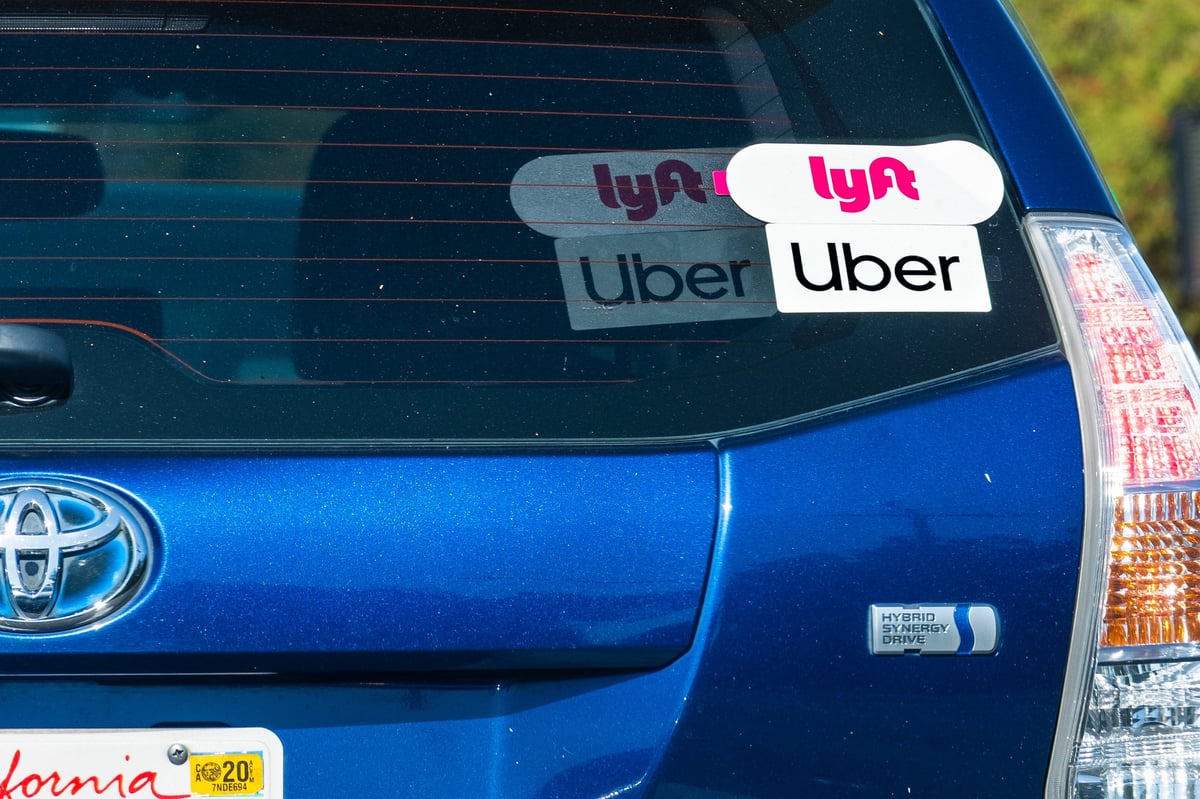
Rideshare and delivery accidents are not typical car accidents.
When Uber, Lyft, DoorDash, Instacart, or similar platforms are involved, insurance coverage depends on one critical factor: What the driver was doing at the time of the crash. And that determines who pays.
Why Rideshare and Delivery Accidents Are Complicated
Unlike traditional drivers, rideshare and delivery drivers operate in different "coverage phases." Each phase triggers different insurance policies.
For example:
Phase 1: App On, No Ride Accepted
- The driver is logged into the app but has not accepted a ride or delivery.
- Limited contingent liability coverage may apply.
- The driver's personal policy is primary.
- Coverage limits are often lower.
Phase 2: Ride or Delivery Accepted
- The driver has accepted a trip and is en route to pick someone up.
- Higher commercial coverage usually applies.
- Uber and Lyft typically provide up to $1 million in liability coverage.
Phase 3: Passenger or Delivery In Progress
- The ride has started or food is actively being delivered.
- Full commercial coverage is usually triggered.
- This is typically the strongest coverage phase.
Which phase applies can dramatically change case value.
Who Pays — The Driver or the Company?
This is where things get technical. Rideshare companies classify drivers as independent contractors, not employees. That allows companies to argue:
They are not directly liable.
Only the insurance policy applies.
The driver's personal insurance should pay first.
But coverage disputes frequently arise over:
Whether the app was active
Whether the driver was "on the clock"
Whether the driver was using the vehicle for personal reasons
These disputes can delay claims and complicate the recovery process.
What If You're a Passenger?
If you're injured as a passenger in an Uber or Lyft, the situation is often more straightforward:
-
The $1 million policy typically applies.
Passengers usually get the strongest coverage phase.
-
Fault between drivers does not eliminate your right to recover.
You can still claim against the rideshare policy.
-
Claims may involve multiple insurance carriers.
Coordinating coverage between insurers takes expertise.
Passengers often have strong claims because they bear no fault.
What If the Rideshare Driver Hit You as a Pedestrian or Cyclist?
Coverage still depends on app status. The determining factor is whether the driver was actively working through the app at the time of the collision.
Driver Was Offline
Only their personal policy may be available.
Driver Was Active
Commercial coverage may apply through the rideshare company.
Food Delivery Accidents: A Growing Problem
Delivery drivers for services like DoorDash, Uber Eats, Grubhub, and Instacart often face unique pressures that can increase accident risk:
Tight Deadlines
Pressure to deliver quickly
Incentive-Based Pay
Pay structures that reward speed
Frequent Stops
Constant starting and stopping
App Usage
Distracted driving from navigation
These factors can increase accident risk. But insurance coverage varies depending on the platform and driver status at the time of impact.
Why These Cases Require Strategy
Rideshare and delivery companies are experienced in handling injury claims. They have legal teams dedicated to:
Limiting Liability Exposure
Reducing how much they have to pay
Delaying Coverage Confirmation
Slow responses that frustrate claimants
Shifting Blame Between Insurers
Passing responsibility between multiple carriers
Without careful documentation of app status and trip records, coverage disputes can weaken a case significantly.
The Bottom Line
Uber, Lyft, and delivery accidents are not ordinary car accidents.
- Coverage depends on timing — what the driver was doing when the crash occurred.
- Liability may involve multiple insurers — driver's personal policy, rideshare contingent coverage, and commercial policies.
- The value of the case often turns on determining exactly what the driver was doing in the moments before impact.
Understanding the structure of rideshare insurance is not optional in these cases. It's essential.